
Celebrating Environment Day in school in Nepal, especially with the current global focus on “Ending Global Plastic Pollution” (the theme for World Environment Day 2025, which falls on June 5th), offers a fantastic opportunity to educate students and engage the wider community.
Here’s a comprehensive guide on how schools in Nepal can celebrate Environment Day, incorporating a variety of activities:
I. Pre-Celebration Planning & Awareness (The Week Leading Up):
- Form an “Eco-Team” / Committee: Involve teachers, students (from various grades, especially senior ones), and even parent representatives to plan and coordinate.
- Choose a School-Specific Theme: While the global theme is “Ending Global Plastic Pollution” for 2025, schools can narrow it down to something more tangible like “Our School, Plastic-Free Zone!” or “Save Our Local River from Plastic.”
- Educational Sessions:
- Class Discussions: Dedicate class time to discuss environmental issues, focusing on the chosen theme (e.g., impact of plastic on local ecosystems like rivers, landfills, and human health).
- Documentary Screenings: Show age-appropriate documentaries or short films about environmental challenges and solutions (e.g., plastic pollution, climate change in Nepal).
- Guest Speakers: Invite local environmentalists, community leaders, or even parents working in environmental fields to share their insights.
- Poster & Slogan Competition: Encourage students to create posters and catchy slogans related to the environment, displaying them around the school.
- Essay/Poetry Competition: For older students, hold competitions on environmental topics.
II. Core Celebration Activities (On Environment Day or a Dedicated Week):
- School & Community Clean-up Drives:
- School Premises: Organize a thorough clean-up of the school grounds, emphasizing proper waste segregation. Provide gloves and bins.
- Local Area Clean-up: Extend the clean-up to nearby public spaces, parks, or riverbanks (with proper supervision and safety measures). This teaches civic responsibility and direct action.
- Waste Audits: Before the clean-up, conduct a simple waste audit to see what types of waste are most prevalent, especially plastics. This data can inform future school policies.
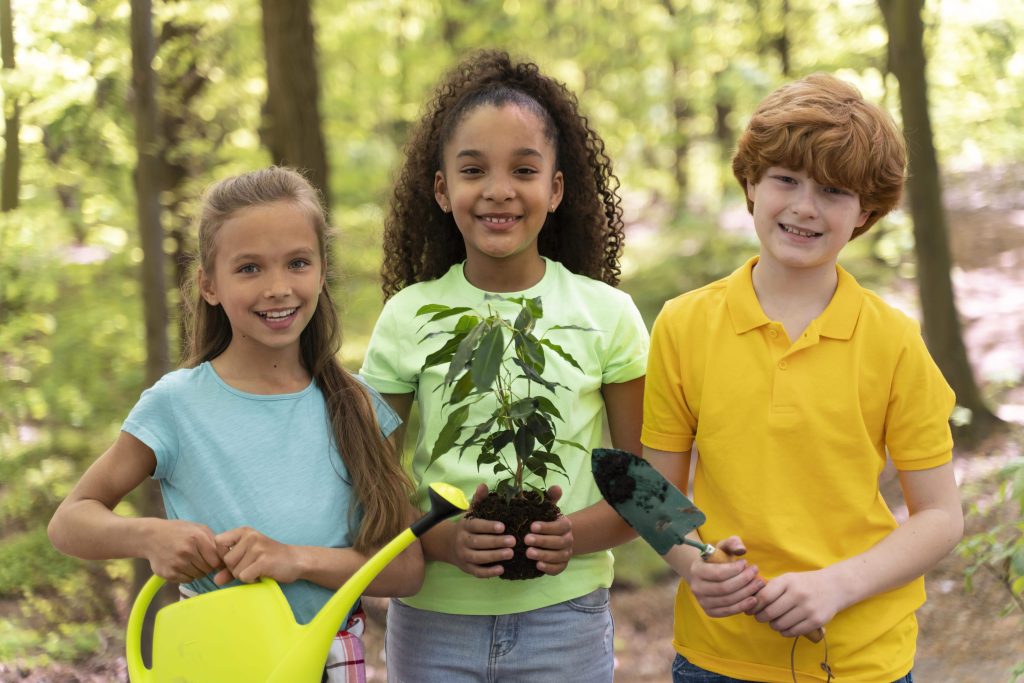
- Tree Plantation Drive:
- Inside School: Plant saplings within the school premises, involving students in the process. Assign responsibility for nurturing them.
- Community Areas: If possible, collaborate with local authorities or community groups to plant trees in nearby public spaces. Focus on indigenous species.
- “Reduce, Reuse, Recycle” Workshops & Activities:
- DIY Upcycling Projects: Teach students how to transform waste materials (plastic bottles, old newspapers, fabric scraps) into useful or artistic items (e.g., pen holders, decorative items, bird feeders).
- Recycling Stations: Set up clearly marked recycling bins for different types of waste (paper, plastic, organic) within the school and educate students on proper sorting.
- Composting Workshop: Start a compost pit in the school garden for organic waste. Teach students about composting and its benefits.
- “No Plastic” Pledge: Have students and teachers take a pledge to reduce single-use plastic in their daily lives.
- Awareness Campaigns & Creative Expression:
- Rallies/Marches: Organize a small awareness rally around the school’s vicinity with banners and slogans to engage the local community.
- Skits/Plays/Puppet Shows: Students can perform short plays or puppet shows highlighting environmental issues and solutions.
- Eco-Friendly Fashion Show: Encourage students to create outfits from recycled or natural materials and showcase them.
- Songs and Chants: Teach students environmental songs or create new ones.
- Nature Connection Activities:
- Nature Walk/Scavenger Hunt: Take students on a nature walk around the school or a nearby park. Engage them in a scavenger hunt to identify plants, birds, or insects.
- Bird Feeder/Insect Hotel Building: Create simple bird feeders or insect hotels from recycled materials to attract local wildlife and teach about biodiversity.
- “Green Ideas” Fair / Exhibition:
- Set up stalls where different classes or groups of students can showcase their environmental projects, recycled crafts, or research findings.
- Invite parents and community members to visit the fair.
III. Post-Celebration & Sustained Action:
- Establish an “Eco-Club”: Form a dedicated student club that continues environmental initiatives throughout the year (e.g., regular clean-ups, monitoring waste, promoting eco-friendly habits).
- Integrate into Curriculum: Encourage teachers to integrate environmental themes into their regular lessons across subjects (Science, Social Studies, English, Art).
- “Green” School Policy: Work towards developing and implementing school policies that promote sustainability (e.g., reducing paper use, conserving water and energy, banning single-use plastics).
- Monitor Progress: Regularly monitor and review the impact of the initiatives. Celebrate successes and identify areas for improvement.
- Community Partnerships: Continue to collaborate with local government, NGOs, and community groups on environmental projects beyond Environment Day.
Key Considerations for Schools in Nepal (Lalitpur context):
- Local Relevance: Tailor activities to address local environmental concerns (e.g., Bagmati River pollution, waste management in Lalitpur, air quality).
- Resourcefulness: Encourage the use of locally available and recycled materials for activities.
- Parent and Community Involvement: Actively involve parents, guardians, and local community members (SMC members) in the planning and execution to ensure broader impact and sustainability.
- Safety First: Ensure all activities, especially clean-ups and outdoor events, are conducted with proper safety precautions.
By making Environment Day a dynamic and engaging experience, schools can foster a sense of environmental stewardship in students, turning awareness into action and contributing to a greener, healthier Nepal.